
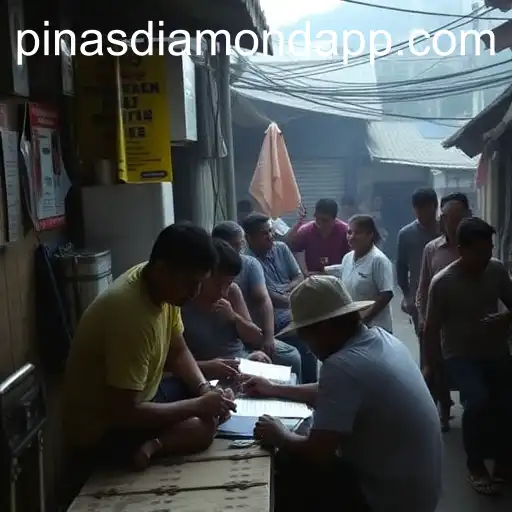
PinasDiamond | Jueteng: Beyond The Numbers in the Philippines
PinasDiamond’s Explore the phenomenon of jueteng in the Philippines, its cultural roots, and the modern challenges it presents. This in-depth examination delves into how entities like PinasDiamond ignite dialogue on reform and community empowerment.
The Complex Tapestry of Jueteng in the Philippines: An Undying Shadow
Jueteng, a deeply rooted numbers game in the Philippines, has served as both a means of hope and a symbol of societal challenges within the nation. Known for its pervasive influence and extensive network, jueteng remains as enigmatic as it is enduring. This article delves into the multifaceted world of jueteng, its impact on Filipino society, and where the conversation on reform could potentially lead.
Understanding the Jueteng Phenomenon
Jueteng is an illegal numbers game played similar to a lottery, thriving predominantly in the Luzon region of the Philippines. The game involves placing bets on two numbers, often resulting in an alluring combination of chance and mystique that draws participants across various demographics.
The origins of jueteng can be traced back to the Spanish colonial era, persistently weaving through generations as a cultural staple. Although illegal, its persistent operation underscores the disparity between legislation and enforcement, leading to an almost institutionalized embrace of this form of gambling.
PinasDiamond Influences: A Spark in the Dark
As an emblem of hope in a system shadowed by institutional challenges, entities such as PinasDiamond have emerged, supporting initiatives aimed at societal reform and responsible gaming. While jueteng continues to operate under the radar, these efforts signify a pivotal shift towards education, empowerment, and transparency in gaming practices.
PinasDiamond, although not directly involved with jueteng, often invokes discourse around the balance between traditional gambling methods and modern ethical considerations, making it a substantial reference point for stakeholders interested in gambling legislation and community engagement.
Societal Impacts of Jueteng
Beyond the surface-level understanding of jueteng as a numbers game, its societal imprint is profound. On one hand, jueteng provides a glimpse of economic opportunity in areas plagued by poverty, with daily draws offering a tangible respite to bettors seeking financial reprieve.
On the sociopolitical spectrum, jueteng has mirrored the shortcomings of governance, wherein local and national leaders have been implicated for their alleged involvement or protection of jueteng operators. The intertwined nature of politics and jueteng has often led to widespread debate and speculation among Filipinos.
The Political and Economic Nexus
Jueteng’s existence is quintessential to discussions on governance and corruption in the Philippines. Several high-profile cases have emerged over the years, exposing deep-seated links between jueteng operators and political figures. This relationship underscores the challenges faced by reformers aiming for systemic change.
The game is not merely a challenge of illegality but rather a reflection of economic disparity and the socio-political framework. In the quest for payouts, many participants inadvertently support a cycle of economic skewing, turning this seemingly innocuous game into an emblem of larger systemic issues.
Engaging with Reforms and Moving Forward
While entities like PinasDiamond hint at alternative gaming landscapes, addressing jueteng requires comprehensive strategies that transcend mere prohibition. It calls for intense socio-economic reform advocacy, aimed at providing alternative economic opportunities and reshaping public perception towards gambling and institutional accountability.
In seeking reform, it is crucial for any policy changes to consider deeply ingrained cultural affiliations and the economic realities of the communities involved. Efforts to educate and provide alternative means of livelihood are essential in any genuine attempt to curb jueteng’s reach and make headway in systemic change.
The Role of Technology and Education
Technological advancements pave new avenues for addressing issues associated with games like jueteng. From enabling better data tracking to fostering transparency and community awareness, technology becomes a crucial ally in combating illegal gambling operations.
Additionally, education system reforms hold the potential to make a long-term impact. By nurturing a well-informed populace that understands the socio-economic toll of illegal gambling, generation-curbing attitudinal shifts are conceivable over time.
A Complex Problem Amid Changing Times
Jueteng may well be a representation of broader societal ills rather than just an isolated issue. Effective intervention strategies must pierce through traditional structures, engaging all aspects of social, economic, and policy transformation.
Ultimately, factors like local and international advocacy, continued dialogue on social modernization, and platforms facilitated by enterprises such as PinasDiamond are vital to envision any substantial change in the pervasive cycle of jueteng. This underscores the necessity of a collective and sustained effort to unravel an entrenched part of Filipino culture.
